Why Scuba Diving Travel Deserves Its Own Packing Strategy
These scuba diving travel tips exist because dive travel is genuinely different from any other kind of trip, and most generic packing guides completely miss the point.
Think about it. You’re spending half your time underwater and the other half recovering, drying off, and protecting your skin from a brutal combination of saltwater, sun, and air conditioning. That’s a specific set of challenges. And yet most travelers show up with the same overstuffed toiletry bag they’d bring to a city break in Paris.
Whether you’re heading to Fiji’s kaleidoscopic reefs, the shark-packed passes of French Polynesia, or a beginner-friendly spot closer to home, the way you pack and prep can make or break the whole experience. Let’s get into it.
📌 You might also like
📋 Table of Contents
Know Your Destination Before You Book a Single Dive
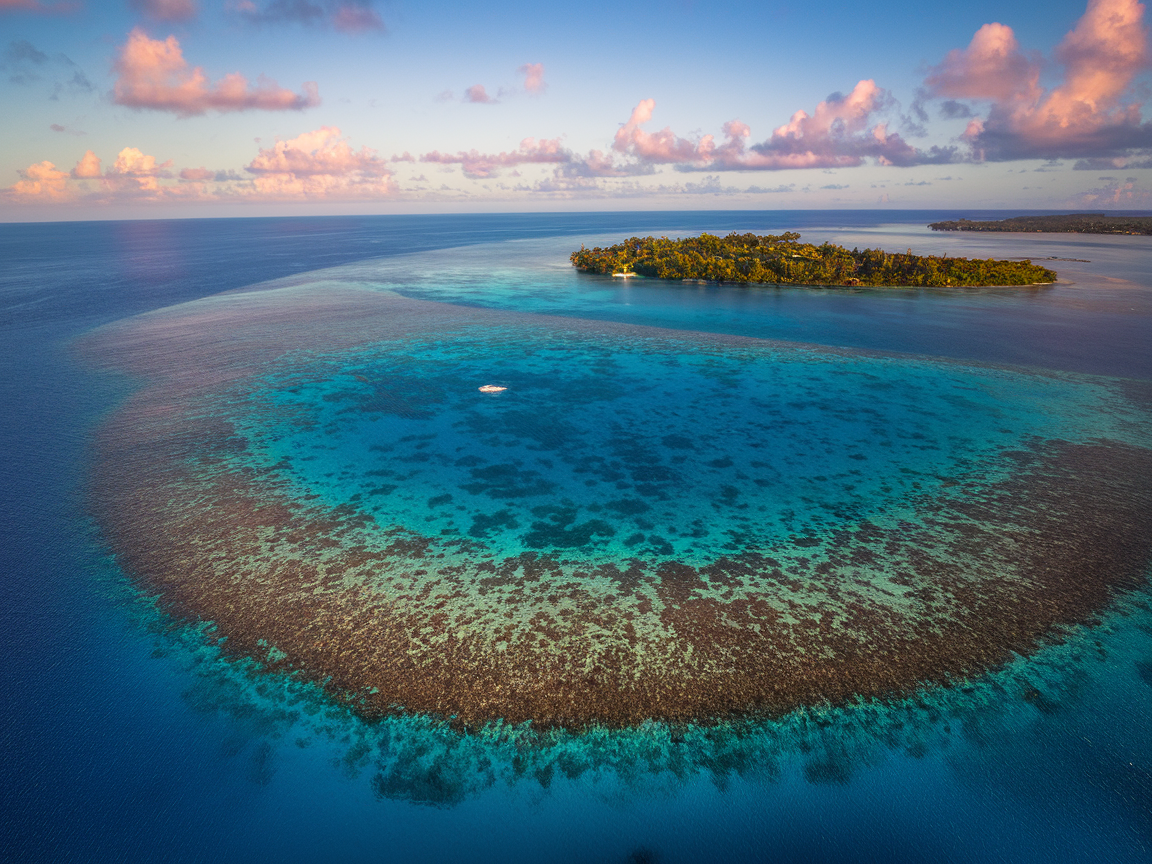
Not all dive destinations are created equal. Fiji is famous for its soft coral gardens and warm, calm water that suits all skill levels. French Polynesia offers adrenaline-pumping drift dives through passes teeming with sharks. The Maldives delivers wall dives with extraordinary visibility. Each destination demands a different certification level, comfort with currents, and sometimes even specialized gear.
Before you book, research the typical conditions for the time of year you’re visiting. Visibility, water temperature, and current strength all vary dramatically by season. A dive trip planned in the wrong month can mean murky water and frustrated expectations. Talk to local dive operators before you arrive. Most have websites with seasonal guides, and a quick email can save you from a disappointing trip.
If you’re newer to diving, look for destinations with sheltered bays and gentle slopes rather than open-water drift sites. There’s no shame in building confidence before attempting advanced sites. In fact, the smartest divers always do.
Pack Light But Pack Smart for Your Skin and Hair

Saltwater is brutal. So is chlorine from rinse tanks, relentless tropical sun, and the dry recycled air on long-haul flights to get you there. Your skin and hair take a serious beating on any dive trip, and ignoring that is a rookie mistake.
The good news is you don’t need a giant bag of products. You need the right ones in the right sizes. Skip full-size bottles entirely. Refillable travel jars and BPA-free silicone bottles let you bring exactly what you need without blowing your liquids allowance or crushing your luggage weight limit. Fill them at home with your favorite moisturizer, serum, and conditioner. Done.
A shampoo bar is genuinely one of the best investments for dive travel. It doesn’t count as a liquid, it lasts longer than a bottle, and it pulls double duty as body soap when you’re rinsing off at a beach shower between dives. Look for formulas that are gentle on color-treated hair and free from sulfates, since saltwater already strips enough moisture on its own.
For quick freshening up on the boat or between shore dives, a pack of hydrating facial wipes is worth every gram of luggage weight. They remove sunscreen, salt residue, and the general film that builds up on your face after a morning in the water. Keep them in your dive bag, not buried in your suitcase.
Getting Certified (or Leveling Up) Before Your Trip
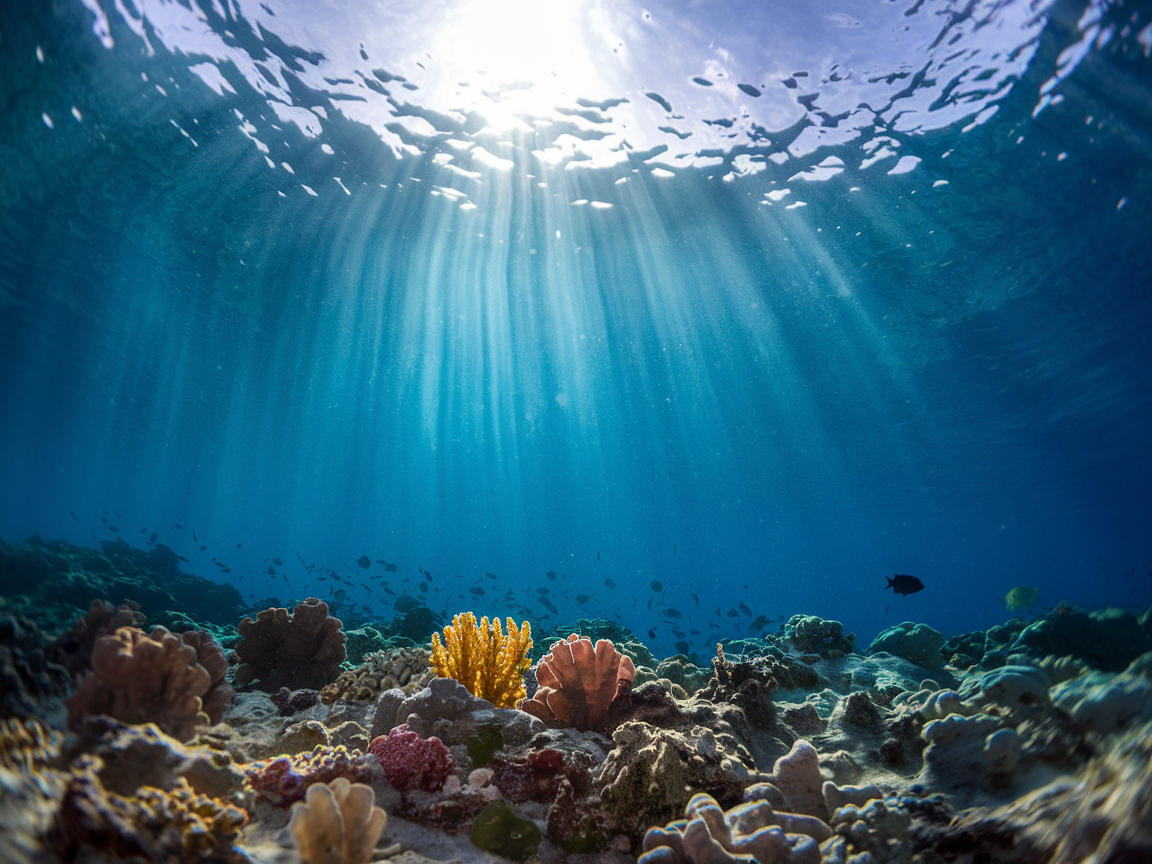
Here’s something worth knowing. PADI has seen a 50% increase in divers earning their Advanced Open Water Certification since travel resumed after the pandemic. More people than ever are treating diving not as a holiday add-on but as the entire reason for the trip. And honestly, that mindset shift changes everything about how satisfying the experience is.
If you only have an Open Water certification, consider doing your Advanced course before you travel rather than during. Completing it at home is cheaper, lets you focus on skill-building in familiar conditions, and means you arrive at the destination ready to dive the best sites from day one. Advanced certification unlocks deeper dives, drift dives, and night dives that Open Water divers simply can’t access.
Already Advanced? Look into specialty certifications like Dry Suit Diver, Wreck Diver, or Deep Diver depending on where you’re headed. Each one opens up a new layer of what’s possible underwater. Think of certifications less as paperwork and more as keys to locked doors.
On the Ground: Dive Operator Tips and Daily Logistics

Choosing the right dive operator is arguably more important than choosing the destination. A great operator at a mediocre site will beat a bad operator at a world-class one every time. Read recent reviews, check their safety record, and confirm what’s included in the price. Tank fills, weights, guides, and equipment rental all vary. Some operators charge separately for everything. Know what you’re paying for.
Book your first dive for the morning, not the afternoon. Marine life is most active in the early hours, visibility tends to be better before afternoon winds kick up chop, and you’ll have energy to spare. Save afternoon slots for shallower, more relaxed dives or for exploring the destination above water.
Between dives, protect your skin aggressively. Reef-safe sunscreen is non-negotiable, and not just for environmental reasons. Many popular dive destinations now legally require it. Apply it 20 to 30 minutes before sun exposure so it bonds to your skin properly rather than washing straight off into the water. A light rash guard adds an extra layer of protection and cuts down on how much sunscreen you need altogether.
Finally, stay hydrated. Diving is dehydrating in ways that sneak up on you. Drinking enough water between dives improves your comfort, your focus, and your safety. Bring a reusable water bottle on the boat. It’s one of those small things that makes a noticeable difference by the end of a full dive day.
Quick Dive Trip Checklist: Don't Leave Without These
- Pack refillable travel-size containers instead of full bottles to save space and stay under liquid limits.
- Bring a shampoo bar. It skips the liquids bag, lasts weeks, and doubles as body soap at beach showers.
- Complete your Advanced Open Water certification before your trip so you can access the best dive sites from arrival.
- Book morning dive slots whenever possible for better visibility and more active marine life.
- Use reef-safe sunscreen and apply it 20 to 30 minutes before entering the water for it to actually work.
Ready to Put These Scuba Diving Travel Tips Into Action?
Good scuba diving travel tips aren’t about doing more. They’re about doing things smarter, so you spend less time stressed over logistics and more time actually underwater, watching something extraordinary happen in slow motion 20 meters below the surface. Pack lighter than you think you need to. Prep your certifications in advance. Choose your operator carefully. And please, drink your water.
If you’re planning your first dive-focused trip or your fiftieth, StayRoamer has destination guides, gear advice, and honest operator reviews to help you build the trip you actually want. Start exploring and book the dive trip you’ve been putting off.
📌 You might also like
Frequently Asked Questions
What are the most important scuba diving travel tips for beginners?
Get your Open Water certification done before you travel rather than on the trip itself. Research the conditions at your destination for your specific travel dates, and always choose a reputable dive operator with strong safety reviews. Starting with sheltered, beginner-friendly sites builds confidence fast.
What beauty and skincare products should I pack for a dive trip?
Keep it minimal and practical. Refillable travel bottles, a shampoo bar, reef-safe sunscreen, and hydrating facial wipes cover most of what you need. Saltwater and sun are tough on skin and hair, so focus on moisture and protection rather than a full routine.
Do I need an Advanced Open Water certification to dive in places like Fiji or French Polynesia?
It depends on the specific sites you want to dive. Many beginner-friendly spots in Fiji are accessible with just an Open Water cert, but French Polynesia's famous drift dives typically require Advanced certification due to strong currents. Check with your chosen operator before booking to confirm requirements.
📰 References
Learn more: Wikipedia: Scuba Diving Travel Tips