The Paddleboarding Tour That Changes How You See Australia
Aboriginal paddleboarding in NSW is one of the most quietly powerful travel experiences you can have in Australia right now, and most visitors have never even heard of it.
Picture this: you’re gliding through a tangle of mangroves on a creek so calm it looks like glass. Rainbow lorikeets are screaming at each other in the eucalyptus canopy above. Translucent mullet dart under your board. And your guide, white ochre painted across his cheeks, is casually mentioning that his ancestors were doing exactly this for thousands of years before it was ever called a sport.
That’s the reality of paddling through Gumbaynggirr Country on the NSW mid-north coast. It’s not a theme park version of Indigenous culture. It’s the real thing, and it’s doing something remarkable: keeping a near-lost language alive, one paddle stroke at a time.
📌 You might also like
📋 Table of Contents
Where Exactly Is Gumbaynggirr Country?
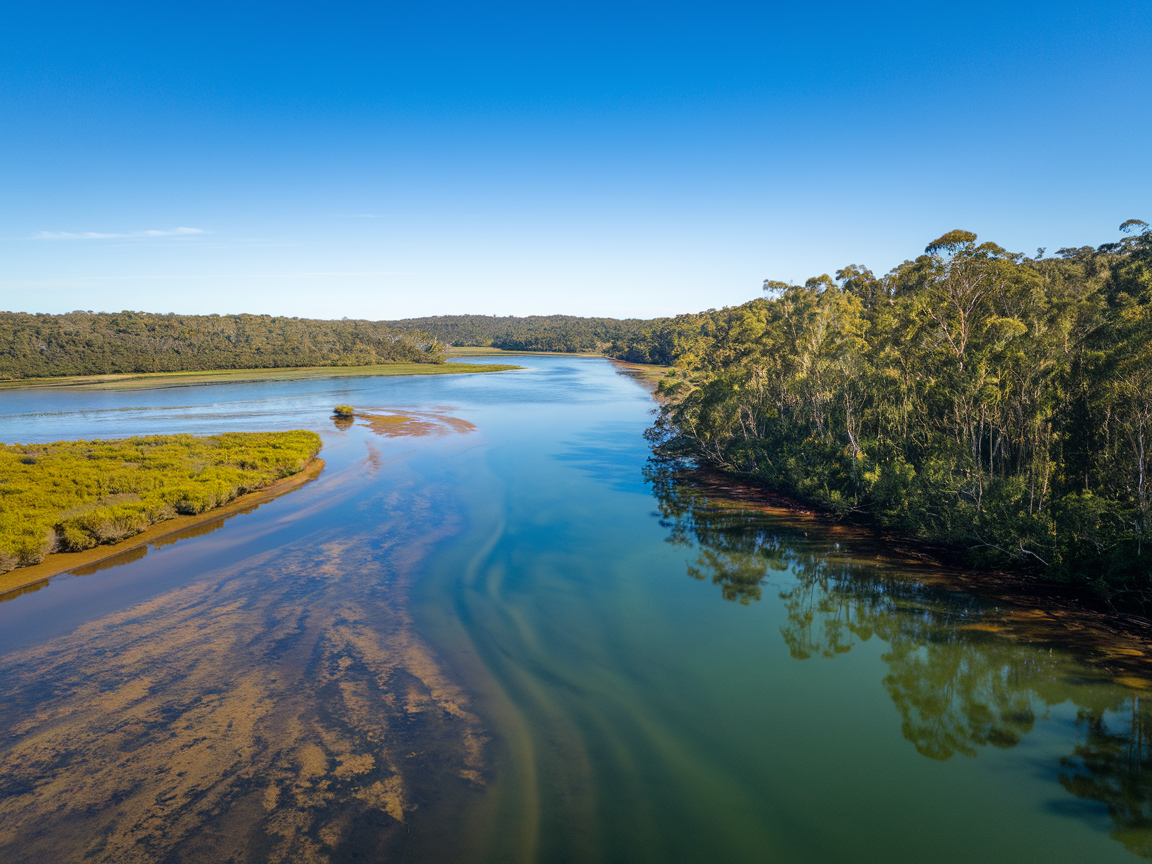
Gumbaynggirr Country covers roughly 6,000 square kilometres of NSW coastline, stretching between the Clarence River in the north and the Nambucca River in the south. The main hub for cultural paddleboarding tours is Moonee Creek, a tidal waterway near Coffs Harbour that feeds into the Pacific Ocean.
This is not a remote wilderness you need a four-wheel drive to reach. Coffs Harbour has a domestic airport with regular flights from Sydney, Melbourne, and Brisbane. From the airport to the creek, you’re looking at around 20 minutes by car. That accessibility is part of what makes this experience so worth building into a broader NSW road trip.
The landscape itself is stunning in a way that feels almost absurdly lush. Coastal wetlands, dense eucalypt forest, and creek systems that open suddenly into broad estuaries. Come at low tide and the banks reveal themselves in extraordinary detail.
The Language Revival Behind the Tours
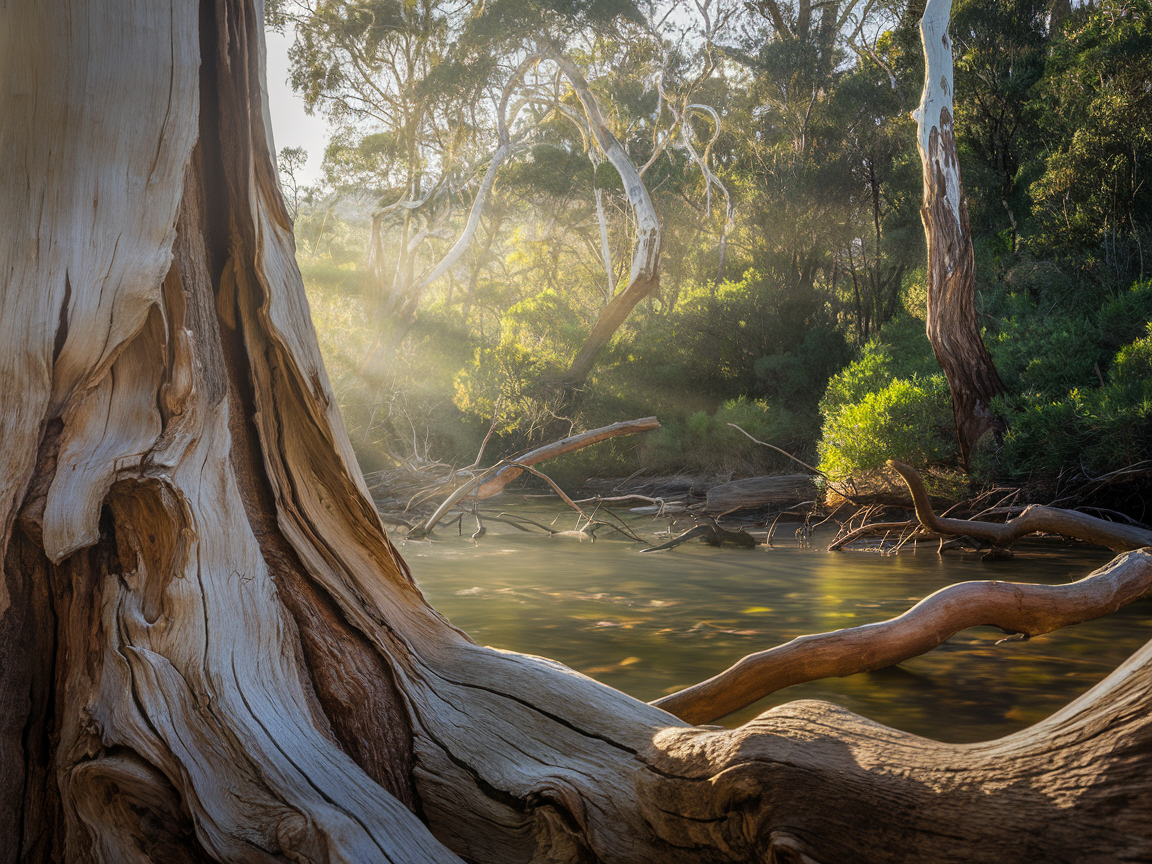
Here’s what makes this more than just a scenic paddle. The Gumbaynggirr language was critically endangered, reduced to only a handful of fluent speakers after generations of colonial suppression. These paddleboarding tours are part of a broader cultural tourism initiative, and the profits go directly into language revitalisation programs.
During the tour, your guide weaves Gumbaynggirr words into the experience naturally. Plant names, animal calls, descriptions of the water and the land. You’re not sitting through a lecture. You’re absorbing a living language while you try to keep your balance on a foam board.
It’s a genuinely clever model. Tourism funds the language work. The language work enriches the tourism. And travelers leave with something they didn’t expect, a few words of one of Australia’s oldest surviving languages stuck in their heads, and a reason to look up the broader story when they get home.
If you care at all about how your travel spending flows, this is exactly the kind of operation worth choosing over a generic guided kayak tour.
What to Expect on the Water
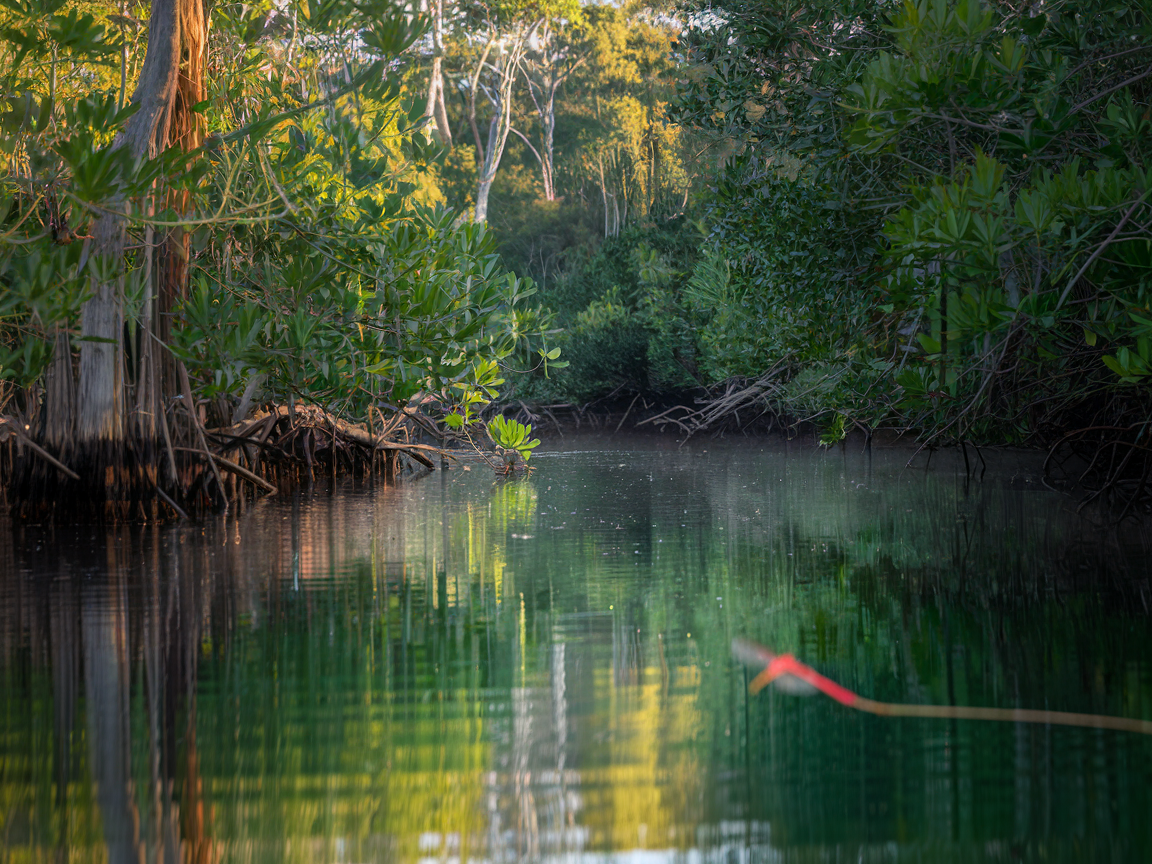
Don’t let the word paddleboarding intimidate you. These tours are designed for beginners. The creek is sheltered, the current is gentle, and the foam boards are wide and stable. Most people find their footing within the first ten minutes.
Your cultural guide leads from the front, reading the water and the tide the way you’d read a familiar road. The route takes you through mangrove corridors where the air drops a few degrees and the light goes green and filtered. Red dragonflies buzz past. Schools of mullet scatter under your board. The whole sensory experience is genuinely unlike anything else on the NSW coast.
Tours typically run for two to three hours. Morning sessions tend to catch the best light and the calmest water. Wear water shoes if you have them, because you’ll wade through the shallows to launch. Bring a rash vest or sunscreen, the NSW sun is relentless even on overcast days.
There’s no hard fitness requirement. If you can walk a kilometre comfortably, you can do this tour. That said, your core will know about it the next morning, in the best way.
How to Book and What Else to Do Nearby
Look for Gumbaynggirr-led cultural tour operators based around Coffs Harbour and the Moonee Beach area. Booking in advance is strongly recommended, especially during school holidays and the summer season from December through February. Group sizes are kept small, which is part of what makes the experience feel genuine rather than rushed.
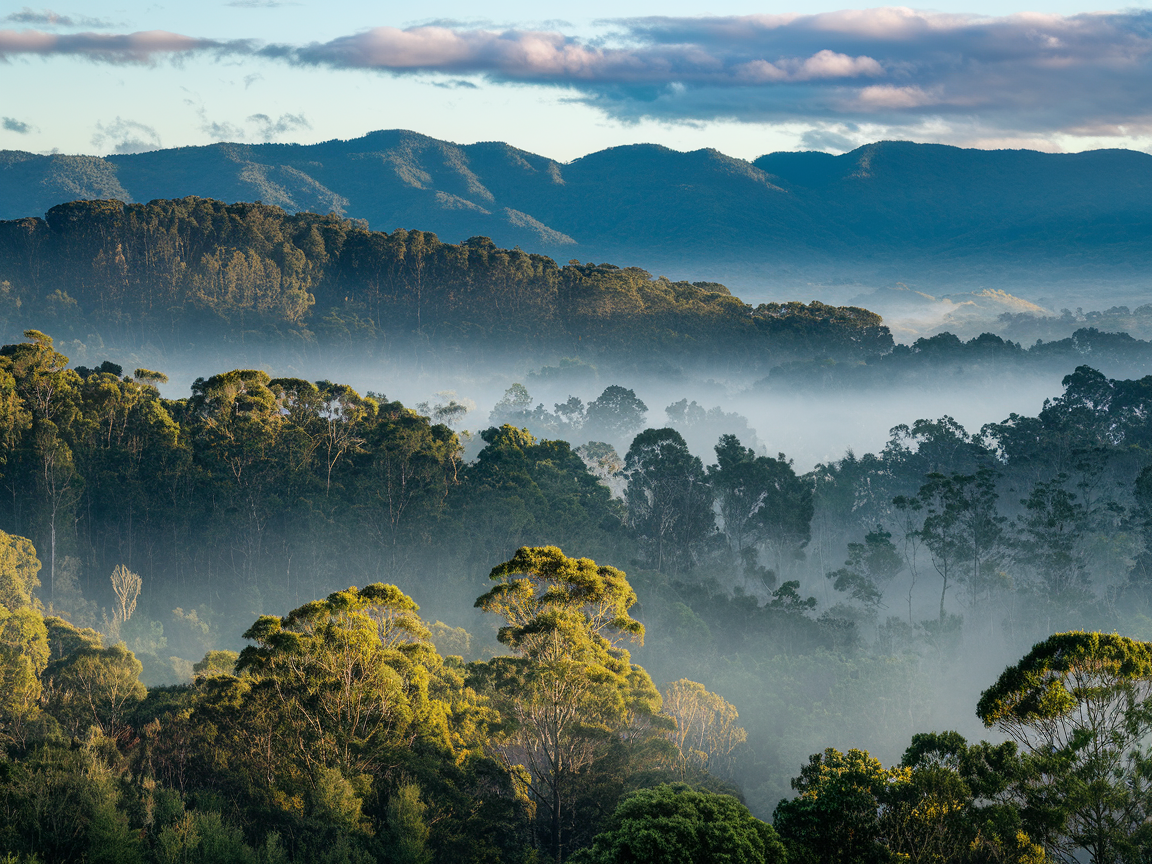
While you’re in the region, there’s plenty to stretch your trip around. Dorrigo National Park sits about an hour inland and features one of the most accessible ancient rainforest walks in NSW. The Solitary Islands Marine Park, just offshore from Coffs Harbour, offers exceptional snorkeling and diving. And the town of Bellingen, about 45 minutes south, is one of those small Australian towns that consistently surprises visitors with its food scene and weekly markets.
If you’re building a longer NSW road trip, Gumbaynggirr Country fits naturally between Byron Bay to the north and Port Macquarie to the south. Give yourself at least two full days in the area. One day won’t do it justice.
7 Tips Before You Go
- Book your tour at least a week ahead, especially in summer. Group sizes are small and spots go fast.
- Wear water shoes or old sneakers you don't mind getting wet. You'll wade in from the bank to board.
- Apply sunscreen before you arrive. Once you're on the water, reapplying is awkward and you'll forget.
- Bring a small dry bag for your phone. The creek is calm but wobbles happen.
- Ask your guide about Gumbaynggirr words during the tour. They genuinely enjoy teaching them, and it makes the experience richer.
- Stay nearby rather than driving in from Coffs Harbour. Moonee Beach has small holiday rentals and the early morning light on the creek is worth waking up for.
- Combine your visit with a stop at a local Gumbaynggirr art or craft outlet. Buying direct supports the same community your tour fees support.
Why Aboriginal Paddleboarding in NSW Deserves a Spot on Your Australia Itinerary
Aboriginal paddleboarding in NSW isn’t just a fun morning on the water, though it absolutely is that too. It’s one of the few travel experiences where your presence and your spending directly contribute to something genuinely important: keeping a millennia-old language alive in the country it belongs to.
Australia has no shortage of incredible landscapes. But experiences that connect those landscapes to living culture, told by the people whose ancestors shaped them, are rarer and more valuable. This is one of them. Don’t skip it.
📌 You might also like
Frequently Asked Questions
Is Aboriginal paddleboarding in NSW suitable for complete beginners?
Absolutely. The tours run on calm, sheltered creek water with wide, stable foam boards. Most participants have no prior paddleboarding experience. Your guide will get you steady within the first few minutes on the water.
What is the Gumbaynggirr language and why is it endangered?
Gumbaynggirr is an Aboriginal language from the mid-north coast of New South Wales, spoken by the Gumbaynggirr people for thousands of years. Like many Indigenous Australian languages, it was severely impacted by colonisation and policies that suppressed First Nations culture. Cultural tourism initiatives are now actively funding its revival.
When is the best time of year to visit Gumbaynggirr Country for paddleboarding?
The region is accessible year-round, but late spring through early autumn, roughly October to March, offers the warmest water and best conditions. Avoid school holiday peak weeks if you want smaller group sizes and easier bookings.
📰 References
Learn more: Wikipedia: Aboriginal Paddleboarding In NSW